Learn how route planning, timing, weather, guest needs, and onboard comfort shape a private coastal destination charter.
Destination Charters Need A Bigger Plan
A destination charter is different from a harbor cruise because the route becomes part of the event. Timing, weather, guest comfort, meal service, and the return plan all matter more. The experience can be incredible, but it should be planned with more detail than a simple local cruise.
The first decision is what the destination means for your group. It may be a coastal route, a longer scenic cruise, a special photo location, or a more ambitious private experience. The clearer the goal, the easier it is to plan responsibly.
Weather And Timing Come First
Weather, wind, visibility, and sea conditions shape destination charters. A flexible mindset helps. The captain and booking team should guide what is appropriate for the date and route. Guests should understand that comfort and safety come before forcing a plan.
Timing also matters. Longer routes need enough charter length to enjoy the destination rather than simply travel to it. Build in breathing room for boarding, food, photos, and the return.
The best yacht charter feels thoughtful before anyone steps onboard and effortless once the day begins.
Full Circle Yacht Charter Team
Guest Comfort Is The Priority
Destination charters should be comfortable for the whole group, not only the most adventurous guests. Consider motion sensitivity, food timing, seating, shade, temperature, and how long guests are happy being underway. A successful route is one that the entire group can enjoy.
Communicate what guests should bring. Layers, sunscreen, comfortable shoes, and any personal comfort items can make a longer charter feel easy.
Planning Checklist
- Confirm occasion, guest count, preferred date, and flexible backup windows.
- Choose a charter length that leaves room for boarding, cruising, dining, photos, and return.
- Share food, beverage, music, accessibility, and special moment details early.
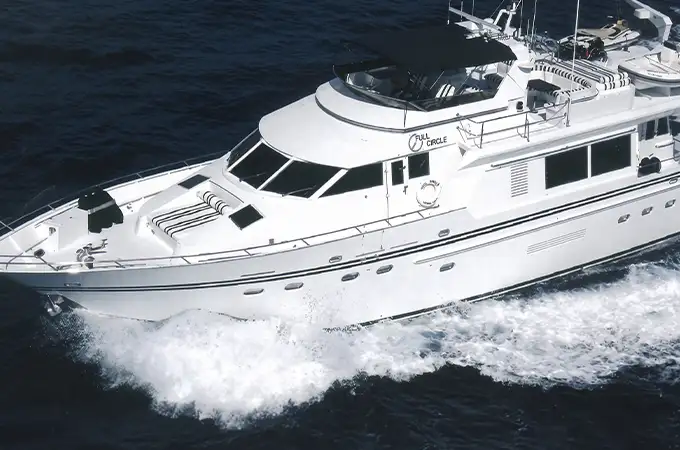
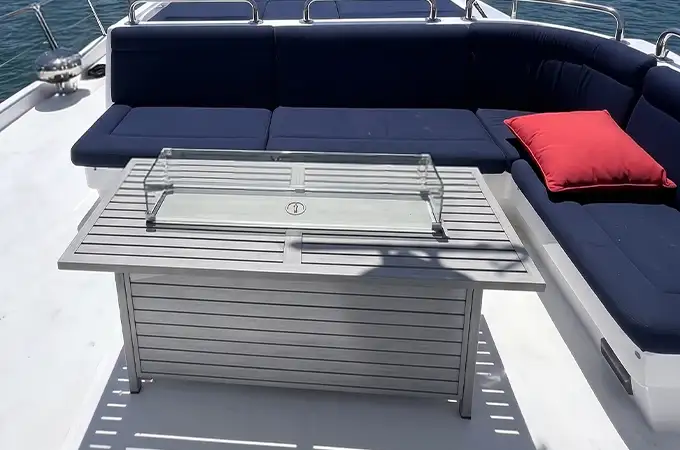
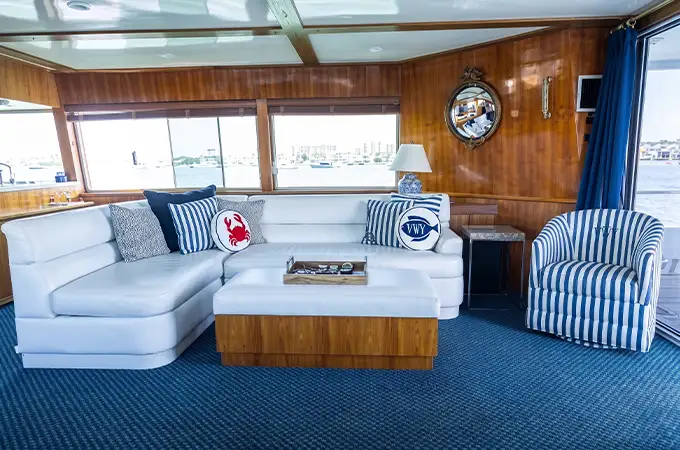
- Review deck, lounge, dining, and indoor areas before finalizing the event flow.
- Call 1-949-818-8284 when you are ready to compare available times.
Food And Beverage Planning
Food for a destination charter should be practical, stable, and timed well. Heavy meals at the wrong moment can make guests uncomfortable. Light service, staged snacks, and a clear beverage plan usually work better during longer movement.
If a destination charter includes a special meal, talk through timing with the booking team. The goal is to serve food when guests can enjoy it, not when the route makes service awkward.
Make The Return Feel Complete
The final part of a destination charter should not feel like an afterthought. Plan music, drinks, photos, and a relaxed return so the experience lands well. Guests remember endings. A calm return to Newport Beach can turn a good charter into a complete story.
Ask what route, timing, and format fit your date and group. Destination charters are best when ambition and comfort are balanced from the start.
A strong charter plan also respects the local rhythm of Newport Harbor. Guests may be arriving from hotels, restaurants, beach rentals, meetings, or family homes, so clear timing protects the first impression. Send the address, parking notes, arrival window, dress guidance, and contact number before the day begins. That one step reduces calls, late arrivals, and confusion at boarding.
Photography deserves its own planning note because yacht events are highly visual. Decide whether the event needs group photos, candid lifestyle images, proposal coverage, brand content, or simple phone snapshots. The best light, the best deck position, and the cleanest background may happen before everyone expects it, so build photo moments into the timeline early.
Hosts should also think about sound. Music that works in a living room may feel different on the water. Conversation, wind, movement, and changing guest zones all affect the mood. Share whether the charter should feel elegant, high energy, romantic, family friendly, or polished for clients, then let that mood guide the playlist and volume.
Food and beverage planning should stay generous but practical. Guests do not want to balance complicated plates while moving between decks, taking photos, and greeting people. Choose service that can be enjoyed naturally. Simple does not have to mean basic. It means the menu supports the day instead of slowing it down.
The host's role is to make decisions early and then enjoy the charter. Once the guest count, timing, food, route, and special moments are confirmed, the crew can handle the flow. The more complete the planning conversation, the less the host has to manage when friends, family, clients, or guests arrive.
Weather is part of yacht planning, even in Southern California. A good plan gives guests comfort options, shaded or indoor spaces, and realistic expectations. Conditions can affect route, timing, wardrobe, and activity choices. Planning with flexibility makes the day feel intentional rather than fragile.
Budget conversations are also easier when the experience is defined. Instead of asking only for a price, describe the event, the number of guests, the desired date, and the feeling you want. That context helps the booking team recommend the right charter length, add ons, and timing without overbuilding the day.
Every charter should end with a clear return plan. Guests need time to collect belongings, take final photos, thank the host, and move back to transportation. A rushed ending can make an otherwise beautiful charter feel scattered. Build a small landing window into the schedule so the final minutes stay relaxed.
A strong charter plan also respects the local rhythm of Newport Harbor. Guests may be arriving from hotels, restaurants, beach rentals, meetings, or family homes, so clear timing protects the first impression. Send the address, parking notes, arrival window, dress guidance, and contact number before the day begins. That one step reduces calls, late arrivals, and confusion at boarding.
Photography deserves its own planning note because yacht events are highly visual. Decide whether the event needs group photos, candid lifestyle images, proposal coverage, brand content, or simple phone snapshots. The best light, the best deck position, and the cleanest background may happen before everyone expects it, so build photo moments into the timeline early.
Hosts should also think about sound. Music that works in a living room may feel different on the water. Conversation, wind, movement, and changing guest zones all affect the mood. Share whether the charter should feel elegant, high energy, romantic, family friendly, or polished for clients, then let that mood guide the playlist and volume.
Food and beverage planning should stay generous but practical. Guests do not want to balance complicated plates while moving between decks, taking photos, and greeting people. Choose service that can be enjoyed naturally. Simple does not have to mean basic. It means the menu supports the day instead of slowing it down.
The host's role is to make decisions early and then enjoy the charter. Once the guest count, timing, food, route, and special moments are confirmed, the crew can handle the flow. The more complete the planning conversation, the less the host has to manage when friends, family, clients, or guests arrive.
Weather is part of yacht planning, even in Southern California. A good plan gives guests comfort options, shaded or indoor spaces, and realistic expectations. Conditions can affect route, timing, wardrobe, and activity choices. Planning with flexibility makes the day feel intentional rather than fragile.
Budget conversations are also easier when the experience is defined. Instead of asking only for a price, describe the event, the number of guests, the desired date, and the feeling you want. That context helps the booking team recommend the right charter length, add ons, and timing without overbuilding the day.
Every charter should end with a clear return plan. Guests need time to collect belongings, take final photos, thank the host, and move back to transportation. A rushed ending can make an otherwise beautiful charter feel scattered. Build a small landing window into the schedule so the final minutes stay relaxed.
A strong charter plan also respects the local rhythm of Newport Harbor. Guests may be arriving from hotels, restaurants, beach rentals, meetings, or family homes, so clear timing protects the first impression. Send the address, parking notes, arrival window, dress guidance, and contact number before the day begins. That one step reduces calls, late arrivals, and confusion at boarding.
Photography deserves its own planning note because yacht events are highly visual. Decide whether the event needs group photos, candid lifestyle images, proposal coverage, brand content, or simple phone snapshots. The best light, the best deck position, and the cleanest background may happen before everyone expects it, so build photo moments into the timeline early.
Hosts should also think about sound. Music that works in a living room may feel different on the water. Conversation, wind, movement, and changing guest zones all affect the mood. Share whether the charter should feel elegant, high energy, romantic, family friendly, or polished for clients, then let that mood guide the playlist and volume.
Food and beverage planning should stay generous but practical. Guests do not want to balance complicated plates while moving between decks, taking photos, and greeting people. Choose service that can be enjoyed naturally. Simple does not have to mean basic. It means the menu supports the day instead of slowing it down.
The host's role is to make decisions early and then enjoy the charter. Once the guest count, timing, food, route, and special moments are confirmed, the crew can handle the flow. The more complete the planning conversation, the less the host has to manage when friends, family, clients, or guests arrive.
Weather is part of yacht planning, even in Southern California. A good plan gives guests comfort options, shaded or indoor spaces, and realistic expectations. Conditions can affect route, timing, wardrobe, and activity choices. Planning with flexibility makes the day feel intentional rather than fragile.
Budget conversations are also easier when the experience is defined. Instead of asking only for a price, describe the event, the number of guests, the desired date, and the feeling you want. That context helps the booking team recommend the right charter length, add ons, and timing without overbuilding the day.
Every charter should end with a clear return plan. Guests need time to collect belongings, take final photos, thank the host, and move back to transportation. A rushed ending can make an otherwise beautiful charter feel scattered. Build a small landing window into the schedule so the final minutes stay relaxed.
A strong charter plan also respects the local rhythm of Newport Harbor. Guests may be arriving from hotels, restaurants, beach rentals, meetings, or family homes, so clear timing protects the first impression. Send the address, parking notes, arrival window, dress guidance, and contact number before the day begins. That one step reduces calls, late arrivals, and confusion at boarding.
Photography deserves its own planning note because yacht events are highly visual. Decide whether the event needs group photos, candid lifestyle images, proposal coverage, brand content, or simple phone snapshots. The best light, the best deck position, and the cleanest background may happen before everyone expects it, so build photo moments into the timeline early.
Hosts should also think about sound. Music that works in a living room may feel different on the water. Conversation, wind, movement, and changing guest zones all affect the mood. Share whether the charter should feel elegant, high energy, romantic, family friendly, or polished for clients, then let that mood guide the playlist and volume.
Food and beverage planning should stay generous but practical. Guests do not want to balance complicated plates while moving between decks, taking photos, and greeting people. Choose service that can be enjoyed naturally. Simple does not have to mean basic. It means the menu supports the day instead of slowing it down.
The host's role is to make decisions early and then enjoy the charter. Once the guest count, timing, food, route, and special moments are confirmed, the crew can handle the flow. The more complete the planning conversation, the less the host has to manage when friends, family, clients, or guests arrive.
Weather is part of yacht planning, even in Southern California. A good plan gives guests comfort options, shaded or indoor spaces, and realistic expectations. Conditions can affect route, timing, wardrobe, and activity choices. Planning with flexibility makes the day feel intentional rather than fragile.
Budget conversations are also easier when the experience is defined. Instead of asking only for a price, describe the event, the number of guests, the desired date, and the feeling you want. That context helps the booking team recommend the right charter length, add ons, and timing without overbuilding the day.
Every charter should end with a clear return plan. Guests need time to collect belongings, take final photos, thank the host, and move back to transportation. A rushed ending can make an otherwise beautiful charter feel scattered. Build a small landing window into the schedule so the final minutes stay relaxed.
A strong charter plan also respects the local rhythm of Newport Harbor. Guests may be arriving from hotels, restaurants, beach rentals, meetings, or family homes, so clear timing protects the first impression. Send the address, parking notes, arrival window, dress guidance, and contact number before the day begins. That one step reduces calls, late arrivals, and confusion at boarding.
Photography deserves its own planning note because yacht events are highly visual. Decide whether the event needs group photos, candid lifestyle images, proposal coverage, brand content, or simple phone snapshots. The best light, the best deck position, and the cleanest background may happen before everyone expects it, so build photo moments into the timeline early.
Hosts should also think about sound. Music that works in a living room may feel different on the water. Conversation, wind, movement, and changing guest zones all affect the mood. Share whether the charter should feel elegant, high energy, romantic, family friendly, or polished for clients, then let that mood guide the playlist and volume.
Food and beverage planning should stay generous but practical. Guests do not want to balance complicated plates while moving between decks, taking photos, and greeting people. Choose service that can be enjoyed naturally. Simple does not have to mean basic. It means the menu supports the day instead of slowing it down.
The host's role is to make decisions early and then enjoy the charter. Once the guest count, timing, food, route, and special moments are confirmed, the crew can handle the flow. The more complete the planning conversation, the less the host has to manage when friends, family, clients, or guests arrive.
Weather is part of yacht planning, even in Southern California. A good plan gives guests comfort options, shaded or indoor spaces, and realistic expectations. Conditions can affect route, timing, wardrobe, and activity choices. Planning with flexibility makes the day feel intentional rather than fragile.
Budget conversations are also easier when the experience is defined. Instead of asking only for a price, describe the event, the number of guests, the desired date, and the feeling you want. That context helps the booking team recommend the right charter length, add ons, and timing without overbuilding the day.
Every charter should end with a clear return plan. Guests need time to collect belongings, take final photos, thank the host, and move back to transportation. A rushed ending can make an otherwise beautiful charter feel scattered. Build a small landing window into the schedule so the final minutes stay relaxed.
A strong charter plan also respects the local rhythm of Newport Harbor. Guests may be arriving from hotels, restaurants, beach rentals, meetings, or family homes, so clear timing protects the first impression. Send the address, parking notes, arrival window, dress guidance, and contact number before the day begins. That one step reduces calls, late arrivals, and confusion at boarding.